Diamond Painting Addiction: A Comprehensive Guide to Budgeting and Spending Management

Why is diamond painting so “addictive”?
Diamond painting is a handcrafted art form that involves attaching resin diamonds to a canvas according to a pattern. Its repetitive process and the gradual unfolding of the image are immersive, providing a sense of accomplishment and relaxation. Many enthusiasts spend hours painting each day, even preparing multiple sets of works simultaneously. While this “addictive” experience is enjoyable, it can easily lead to financial stress if budgets are not carefully managed, making understanding expense management crucial.
Table of Contents
The Real Cost of Diamond Painting: From Beginner to Enthusiast
Cost for beginners
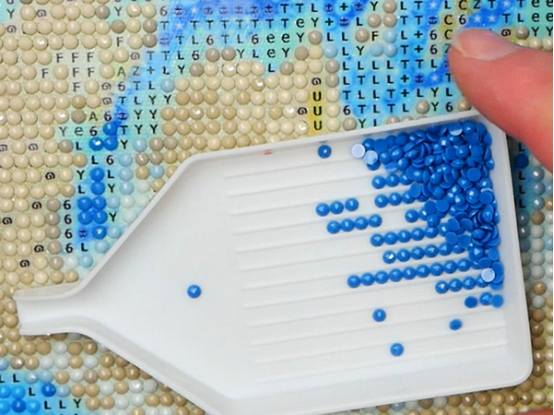
For beginners, diamond painting can be quite inexpensive. A basic kit typically includes a canvas, diamonds, brushes, and a tray and costs around $10–$30.
Cheaper kits often come from Chinese suppliers and may only contain a small canvas and a few diamonds, costing as little as a single-digit dollar. However, it’s worth noting that the quality and durability may vary.
The low barrier to entry means that more people will try it. They might start by buying one or two sets and gradually expand to five or six sets—which is where many enthusiasts begin to hoard kits.
Mid-range cost (common diamond painting)
Most enthusiasts purchase mid-range kits, priced between $20 and $100, with prices varying depending on size, pattern complexity, and the number of diamonds.
For example:
- 30×40 cm set ~ €21.95–€24.95
- 40×50 cm set ~ €27.95–€32.95
- 50×70 cm set or larger ~ around €44.95
Mid-range kits are relatively consistent in quality, with a sufficient number of diamonds and exquisite designs, making them popular among repeat customers.
High-end cost
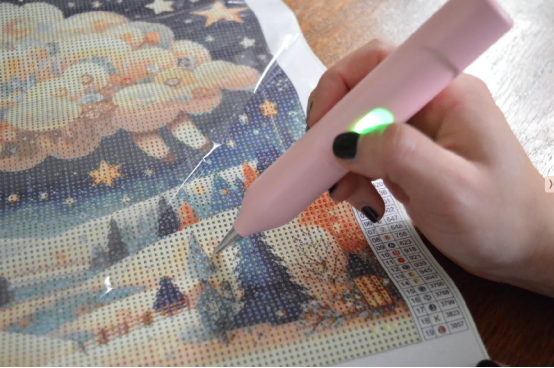
If you’re looking for high-quality, limited-edition, or licensed artwork kits, the price can easily exceed $100. Furthermore, additional tools such as light boards, diamond trays, precision pens, or photopolymer sealants will also add to the expense.
Therefore, budget planning is really important if you want to have a lot of fun with diamond painting.
Addiction and Expenditure: Real Community Feedback
Consumption Habits and the “Addiction” Cycle
Many diamond painting enthusiasts have gone through the stage of “being unable to resist buying”:
- I order whatever design I like, regardless of the price;
- Even though I still have more than a dozen unfinished works, I still can’t help but add one more.
- A preference for square drills, round drills, or special materials can drive continuous equipment upgrades.
In the community, some people share the excitement of spending four hours a day drawing while eagerly awaiting the arrival of new kits. Some even admit that they feel an irresistible urge to buy when they see others share challenging or high-quality artwork—psychologically speaking, this is the reward mechanism at work.
Expenditure Pressure and Reflection
Of course, some people realized their budgets were out of control. For example, one enthusiast calculated that he had more than 50 unfinished works and a large number of accessories before realizing that he needed to set rules to limit spending and manage existing inventory.
How to Plan Your Budget Effectively: Diamond Painting Expenditure Management Tips
To enjoy your hobbies without breaking the bank, here are a few practical strategies:
1. Establish a “priority given to completed works” rule.
Many experienced users suggest, “Complete X pieces before buying a new kit.”
For example, complete 5 existing kits before purchasing 2 new ones. This not only avoids piling up unfinished pieces but also provides a sense of accomplishment and motivation.
2. Set a monthly “hobby budget.”
Set a fixed monthly budget for diamond painting (e.g., $30–$60), and stop buying if you exceed it. Many people in the community use this “fun money” method to incorporate spending into their family budget, which can effectively control impulsive spending.
3. Prioritize purchasing discounts and offers.
Keep an eye out for seasonal sales, Black Friday discounts, or bundled deals to get more for less. Planning your shopping list in advance can also prevent impulsive purchases.
4. Start with a low-priced item and gradually upgrade.
Beginners are advised to start with low- to mid-range kits to experience the hobby and confirm their passion before considering high-end products. Many people in the community have shared that entry-level kits costing only $5–$15 are sufficient to try.
5. Record actual expenditures.
Create a simple expense tracking sheet, record every purchase, and regularly check total spending and inventory. If you find that you’ve exceeded your budget, you’ll need to adjust your purchasing habits.
6. Second-hand markets and exchanges
For projects that are nearing completion or kits that don’t suit your needs, you can sell them on secondhand platforms or exchange them with other enthusiasts to recoup costs and reduce resource waste.
The deeper value of diamond painting
A reasonable budget is important, but the allure of diamond painting goes far beyond the cost:
- Stress reduction and focused experience: The repetitive pasting process is like a mini-meditation, which helps relieve anxiety.
- Sense of accomplishment and creativity: The visual satisfaction and sense of accomplishment that comes from completing a work is hard to express in words;
- Social and Community: Share your work, learn skills, and exchange ideas to make your hobbies more fun.
Therefore, budget management is not about rejecting hobbies but about making them a sustainable and enjoyable lifestyle.
Practical Budget Management Template
Monthly Budget Plan
| project | Upper limit budget | illustrate |
| Kit purchase | $30–$50 | Monthly Package Budget |
| Tools/Accessories | $10–$20 | Trays, pens, light boards, etc. |
| Promotional Fund | $10 | For discounts or bundled sets |
| total | $50–$80 | Control overall expenditure |
Rule Example
- Complete 5 existing works, then purchase 2 new works.
- Monthly expenditures must not exceed the budget.
- New kits cannot be purchased for unfinished works.
By combining rewards and restrictions, this approach creates a positive cycle, allowing you to balance your hobbies with your finances.
FAQ
Q1: Is diamond painting addictive?
A1: Many enthusiasts do become immersed in it because of the sense of accomplishment and visual effects, but with proper planning of time and budget, one can enjoy the hobby without getting out of control.
Q2: How to control the cost of diamond painting?
A2: Setting a monthly budget, prioritizing completed works, paying attention to discounts, and recording expenses are all effective methods.
Q3: Are high-end kits always better?
A3: Not necessarily. Entry-level and mid-range kits are perfectly adequate for practice and relaxation, while high-end kits are mainly suitable for users who value quality and collectability.
Summarize
Diamond painting is a rewarding, relaxing, and fun craft activity, but without budget planning, it can also become an “addictive consumption.” This article, based on real community feedback and market analysis, summarizes the following:
- Diamond painting kits have a wide cost range, starting from as low as $10.
- Many enthusiasts have a tendency to keep buying, but this can be controlled with a reasonable budget.
- Practical strategies include monthly budgeting, prioritizing completion, prioritizing discounts, and recording expenses.
Good budget management does not diminish the value of a hobby; on the contrary, it makes it a long-term, sustainable enjoyment.
Make your diamond painting experience even more enjoyable! Choose our high-quality kits, which not only feature ample diamonds and exquisite designs but also help you easily plan your creative budget, making every crafting session a truly rewarding experience.