5 Practical Tips to Solve the Problem of Diamonds Falling Off the Edges of Diamond Paintings

The sense of accomplishment after completing a diamond painting is truly amazing! Each sparkling little diamond is like the result of your time and effort, painstakingly crafted. But have you ever experienced this: shortly after the painting is hung on the wall, the diamonds along the edges start to loosen or even fall off? It’s heartbreaking!
Don’t worry, this is actually a common problem that many players encounter. I’ve compiled 5 practical tips to help you reduce the risk of edge diamonds falling off, allowing your artwork to be displayed safely for longer while preserving the diamonds’ brilliance.
Table of Contents
Why are diamonds most likely to fall off at the edges of a diamond painting?
First, we need to understand the reasons. Many people assume it’s a canvas quality issue, but in most cases, edge diamond chipping is more related to handling habits and storage methods. Common causes include:
- Insufficient adhesive strength: Especially after prolonged storage or exposure to air or dust, the adhesive may lose some of its adhesiveness.
- Excessive contact: When applying rhinestones, rubbing the edges with your fingers or sleeves can cause the adhesive surface to become contaminated with grease or dust.
- Friction during framing/hanging: The edges are more susceptible to stress, so the diamonds will loosen first.
techniques butAs you can see, preventing rhinestones from falling off involves not only rhinestone application techniques, but also the entire process from application to display.
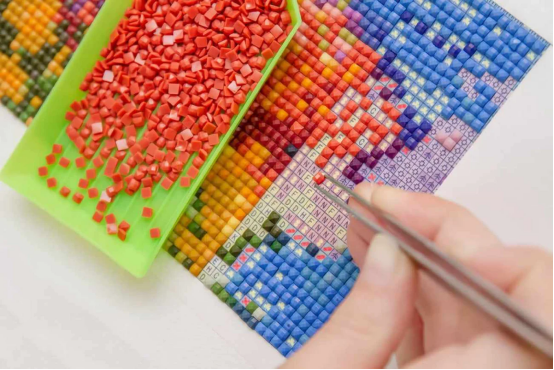
Tip 1: Apply diamond painting in sections and cover with a protective film promptly.
Many beginners peel off the protective film from the entire painting at once, exposing all the adhesive to the air. Doing so can easily cause the adhesive to fail.
Suggested approach:
- Tear off only the small section you’re going to apply the rhinestones to at a time.
- After applying the rhinestones, promptly reapply the protective film or temporarily cover them with clean paper.
- After each session, properly cover any unfinished areas to prevent dust and air pollution.
- The zoned operation keeps the adhesive layer “active,” significantly reducing the chance of edge diamonds falling off.
Tip 2: Keep the diamond painting canvas clean and avoid oil and dust.
Glue is extremely sensitive to dust and grease. Even tiny specks of dust invisible to the naked eye can cause diamonds to become loose.
Practical suggestions:
- Before applying the rhinestones, gently wipe the edges of the canvas with a lint-free cloth.
- Use clean hands or wear gloves to avoid getting oil from your hands on the adhesive surface.
- If you accidentally get dust or fibers on your skin, you can use a small brush or gently blow them off. Avoid using adhesive tape to clean it directly, as this may remove the adhesive layer.
- Keeping the adhesive surface clean is an important step in securing the diamond.
Tip 3: After applying the diamond painting, press lightly to make the diamond more secure.
lightly,After applying the rhinestones, many people are used to pressing them down lightly and that’s it. But especially for the edge rhinestones, pressing them down lightly may not be enough to keep them stable.
Operating instructions:
- Gently press the edges or the entire painting flat with a smooth, hard object (such as a roller, glass bottle, or thick book).
- After all the diamonds have been applied, press them down again to ensure that the bottom of the diamonds is completely adhered to the adhesive surface.
- This is a method often used by experienced players, and it’s much more effective than relying solely on glue for adhesion. Although it sounds a bit old-fashioned, it’s really practical.
Tip 4: Apply a top coat for protection after completing the diamond painting, especially to the edges.
Immediately framing or hanging the item on the wall after completion will cause the adhesive to gradually lose its stickiness over time. This is especially true at the edges, which are more susceptible to loosening due to changes in wind, temperature, and humidity.
Recommended action:
- Use a clear top coat or sealant to protect the image and make the diamonds more secure.
- If you don’t like the top coat, you can frame it and add a back panel or glass to physically isolate it from external stimuli and prolong its adhesion.
- After being covered or framed, the chances of the edges peeling off are significantly reduced, which is a key step in extending the life of the artwork.
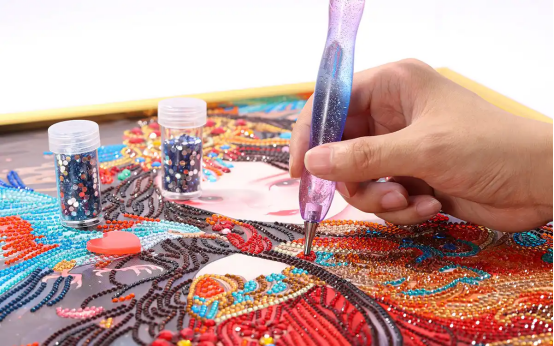
Tip 5: Properly store, transport, and hang the painting, paying attention to protecting the edges.
Even if the rhinestones and seal coat are done well, the edge rhinestones can easily loosen if handled carelessly, bent, or rubbed.
Practical advice:
- as flatLay unframed canvases flat as much as possible and avoid folding them.
- When framing or hanging pictures, reinforce the edges and back with strips of cloth or cardboard to prevent wear and tear.
- Wrap the item in a soft cloth during transport or movement to prevent collisions.
- Avoid high temperatures, humidity, and direct sunlight, as these will accelerate the aging of the adhesive.
- Treat diamond paintings as works of art, and the edges will naturally be more secure.
Additional tips: Edge repair and re-gluing
panic;If you find that the edge diamond has started to loosen, don’t panic, there are still ways to salvage it:
- reapplyUse a special diamond painting repair glue to re-apply the glue; this is suitable for small areas of peeling.
- If the adhesive layer is not sticky, you can apply transparent double-sided tape to the edges and then reapply the rhinestones, making sure to make it smooth and avoid air bubbles.
- The entire surface can also be flattened again to allow the bottom of the diamond to adhere more tightly to the adhesive surface.
However, these are all remedial measures. It is better to do a good job of cleaning, zoning, compacting, sealing, and proper storage from the beginning.
Summarize
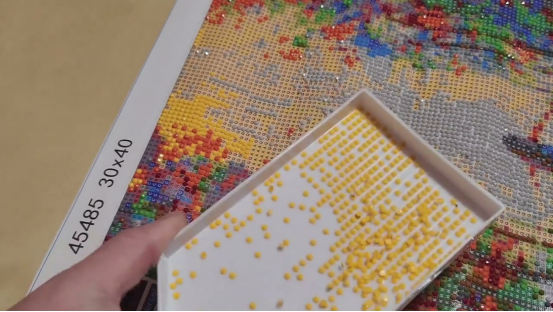
- itself butDiamonds falling off the edges are usually not a problem with the canvas itself, but rather a result of improper handling and storage.
- Insist on the following steps: work in sections → keep the diamond painting canvas clean → press the diamonds firmly into place → apply a top coat for protection → store/frame properly, which will greatly reduce the chance of the diamonds falling off.
- The key to keeping your diamond painting sparkling for a long time lies in pressing it flat after applying the rhinestones, sealing it with adhesive, and storing it properly.
Small tips, big peace of mind. Hopefully, these tips will help you preserve your artwork longer so that every time you see your diamond painting on the wall, you can enjoy its shine and the sense of accomplishment.