How can beginners judge the quality of diamond paintings? 3 steps to distinguish between good and bad products.

Beginners in diamond painting might feel overwhelmed by the sheer variety of kits available: which one is right for you? Which one will drive you crazy halfway through? I understand. It’s like choosing candy in a candy store—every single one is sparkly, but you only want to buy the few you like best. Don’t worry, this article outlines three practical steps to quickly assess the quality of diamond painting kits, helping beginners avoid pitfalls, ensuring a smooth creation process, and culminating in a satisfying finish.
Table of Contents
Why is focusing on quality so important?
Many beginners overlook this point until they experience a “disaster” and then realize the importance of quality. Here’s a short story: I once bought a very cheap kit. The diamonds were of varying sizes, some of which didn’t stick at all. The diamond painting adhesive was okay at first, but after a few days it stopped sticking altogether. At that moment, I stood there dumbfounded, picking up each diamond one by one, feeling incredibly frustrated—it felt like I was wrestling with the diamonds.
This example illustrates how the quality of the canvas and diamonds directly impacts your creation experience. Poor quality not only wastes time but also easily leads to impatience and even discourages further attempts. For beginners, choosing the right kit is the first step to avoiding wasted time and effort and is key to ensuring a pleasant creative experience each time. Selecting a high-quality kit not only allows you to create beautiful works but also lets you enjoy the fun of applying diamonds and experience the sense of accomplishment in your creation.
Step 1: The quality of the canvas determines the smoothness of the production process.
The most crucial factor is the appropriate viscosity.
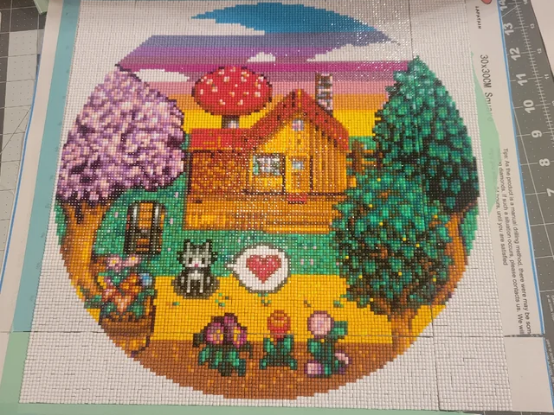
In diamond painting, canvas tackiness is a primary indicator. Too sticky and it attracts dust; too loose and the diamonds fall off, directly impacting work efficiency. A high-quality canvas should be tacky enough but not excessively sticky, so the diamonds won’t slip off, and you won’t feel overwhelmed while working on it.
- Beginner’s tip: Gently shake the canvas. If the diamonds are loose, the adhesive is insufficient; if they stick firmly to the canvas immediately, the adhesive is just right and can support the completion of the entire artwork.
- In addition, clear canvas symbols are also very important. Blurry or unevenly printed symbols can easily lead beginners to misplace colors, especially in areas with similar colors, making the entire painting look messy. High-resolution printed symbols not only help identify colors but also save time and make the production process smoother.
The canvas material is thick and durable
The material of the canvas used in diamond painting directly affects the overall effect and durability of the artwork. High-quality canvases are typically thicker and less prone to wrinkling, curling, or creases. In contrast, lower-end kits use thin paper canvases that are prone to deformation after prolonged use with diamonds, resulting in unstable diamonds and misaligned patterns.
Judgment criteria:
- The adhesive layer is uniform and durable.
- The canvas is of moderate thickness and not easily bent.
- The printed symbols are clear and the color zones are well-defined.
If the canvas you receive is severely warped or has obvious creases when unfolded, it is likely a low-quality product. For beginners, choosing a canvas with solid material and clear markings can significantly reduce the difficulty of the process and make the rhinestone application experience more enjoyable.
Step Two: Diamond quality directly affects the aesthetic appeal of the artwork.
Diamonds are central to diamond painting; a good set of diamonds not only sparkles but also adds depth and dimension to the entire artwork. Here are some key points for judging diamond quality:
1. Rich colors and excellent reflective effect
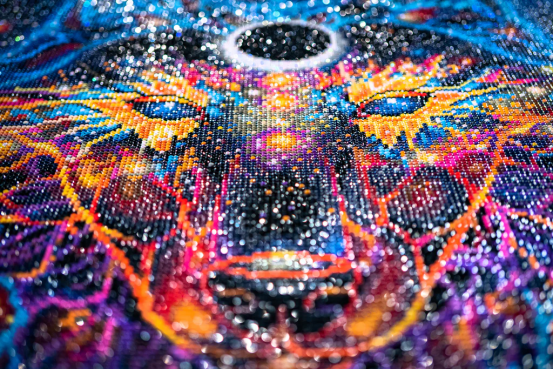
High-quality diamonds have a bright color and uniform reflection, with each diamond sparkling from different angles. Low-quality diamonds often have a dull color and insufficient luster, resulting in a bland and unremarkable overall effect when a piece is finished.
Tip: Place the diamond near a window or under a lamp to observe its reflection. High-quality diamonds sparkle from every angle, creating a unique sense of depth and three-dimensionality in diamond painting.
2. Consistent size and smooth edges
Lay diamonds of the same color on a table and gently shake them. Diamonds that are uniform in size and have smooth edges are of better quality. Diamonds that are of different sizes or have rough edges will result in an uneven and messy finished piece, which can be frustrating for beginners.
High-quality diamonds feel smooth and even to the touch, and each diamond is the same size as the others, so that the finished diamond painting will be neat and beautiful.
3. Sufficient quantity and spare diamonds included.
High-quality kits usually include a few spare diamonds in case of mistakes or loss. Beginners often miss or lose a few diamonds while applying them, and without spare diamonds, they may have to stop halfway through. Choosing a diamond painting kit that includes spare diamonds gives you peace of mind and more confidence to complete the entire artwork.
Step 3: Tools and packaging determine the user experience.
Besides the canvas and diamonds, the details of the tools and packaging are equally important. Even small issues with the tools can significantly diminish the user experience for beginners.
Tool quality
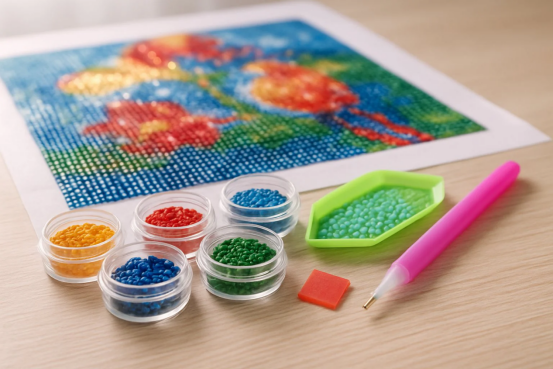
- Diamond Pen: Comfortable grip, easy to hold diamonds
- Pallet: Deep grooves prevent drill bits from falling out.
- Wax block: Moderately sticky, able to stably grip diamonds.
- Spare pen tips: Improve operational efficiency
A lack of necessary tools or poorly designed tools can cause frequent interruptions during the creation process, reducing enjoyment. High-quality diamond painting kits take these details into account , making the entire creation process smooth and pleasant.
Packaging cleanliness
Neat packaging not only provides a pleasant unboxing experience but also ensures accurate diamond sorting. High-quality kits typically include:
- Diamonds were sorted by color and clearly labeled.
- The canvas is rolled up instead of folded.
- The instruction manual is clear and includes example pictures.
Messy packaging increases the difficulty of operation and can easily confuse and frustrate beginners.
Practical tips for judging the quality of diamond paintings before purchasing.
1. Reference reviews and actual photos
Sales volume does not represent quality. Beginners should prioritize checking genuine user reviews and actual photos before purchasing, paying particular attention to diamond quality, the clarity of the diamond painting canvas, and the availability of tools. Reviews with photos of actual finished products are more reliable, allowing for an estimate of the final result.
2. Diamond Type Selection
- Round diamond: Easier for beginners, simple to operate
- Square drills: The finished product is exquisite, but the operation is more difficult.
Beginners are advised to start with round diamond kits to familiarize themselves with the process before attempting square diamonds. This will reduce frustration and allow them to gradually improve their crafting skills.
3. Be careful with exaggerated renderings.
Some vendors use heavily edited images to attract attention, but the actual brilliance of the diamonds may differ. Choosing a diamond painting kit that includes real-life photos of the finished product is more reliable and allows you to estimate the final result.
Common pitfalls for diamond painting beginners
Based on feedback from Reddit and crafting forums, common problems encountered by beginners include:
- Diamond quantity insufficient, some colors are missing.
- The canvas is severely creased and its adhesiveness has decreased.
- The diamonds were of different sizes, resulting in an uneven finished product.
These issues remind us that judging the quality of a diamond painting involves not only pre-purchase observation but also continuous monitoring during the creation process. Mastering these techniques will allow even beginners to select high-quality kits, making the creation process easier and more enjoyable.
FAQ: Frequently Asked Questions for Beginners
Q1: Should beginners choose round or square rhinestones?
A: Round rhinestones are more suitable for beginners as they are easier to apply; square rhinestones are more delicate but more difficult to apply.
Q2: What if I don’t have enough diamonds?
A: You can contact the seller to get spare diamonds, or check the kit instructions to see if spare diamonds are provided.
Q3: What if the diamond painting canvas is not sticky enough?
A: You can try applying light pressure or partial application, but it is best to choose a canvas with good adhesion and high quality.
Q4: How to quickly organize diamonds?
A: Sort them into bags by color, arrange them on a tray, cover a small area at a time, and then change the color to avoid confusion.
Summarize
The core steps to judging the quality of a diamond painting kit:
- Canvas quality: moderate adhesion, solid texture, clear symbols.
- Diamond quality: Bright color, uniform size, includes a spare diamond.
- Tools and packaging: Complete, neat, and easy to use.
Mastering these methods will allow even beginners to easily select high-quality diamond painting kits , reducing frustration and making each diamond painting session a pleasant experience. High-quality materials not only make the artwork beautiful but also allow you to enjoy the creative process, resulting in a greater sense of accomplishment and satisfaction upon completion.