Diamond Painting Decorative Musical Instruments: A Guide to Personalizing Guitars and Ukuleles

If you’re a music lover, or simply enjoy crafting, then decorating musical instruments with diamond painting will definitely appeal to you. Imagine attaching sparkling diamond beads to a guitar or ukulele, where the instrument shimmers like a work of art as the light changes—not only unique, but also a showcase of your creativity and personality.
This isn’t just about aesthetics—proper design and operation can also ensure the instrument’s performance and feel. Many beginners might worry, “Will the diamonds affect the sound quality?” or “Will the installation be too complicated?” Actually, as long as you master the method, it’s entirely possible to balance decoration and practicality.
Table of Contents
1. Why choose diamond painting to decorate musical instruments?
Incorporating diamond painting into instrument modification is a cross-disciplinary approach that combines music and craftsmanship. Compared to traditional stickers, spray paint, or engraving, diamond particle decoration offers more visual depth and light and shadow effects, giving your instrument a more unique charm.
- Personalization is key: Each diamond can be arranged freely, and you can choose the color and pattern according to your preferences, from simple geometric shapes to complex designs, fully expressing your personal style. Some people like to decorate the headstock with small musical note patterns, while others prefer the entire body of the instrument to be covered with sparkling diamonds, radiating brilliance.
- Strong visual impact: The diamond painting particles can refract light, attracting attention on stage or in a room. Especially under the light, the instrument seems to emit dynamic light, which is highly decorative.
- Diverse Design Options: Whether you prefer abstract geometry, floral motifs, musical symbols, or personalized lettering, diamond embellishments can precisely capture the details. You can even incorporate your personal logo or name into the design, transforming your instrument into a true personal work of art.
It is important to note that diamond decoration involves working on the surface of musical instruments, and it is essential to avoid covering critical areas such as the bridge, string holes, or tone holes, as this may affect the performance.
II. Design Inspiration: From Patterns to Musical Instruments
You might ask: Where do you get inspiration for diamond painting patterns? Actually, inspiration is everywhere. You can combine your personal preferences, music style, and the overall style of your room to create your own designs.
- Abstract guitar patterns: Bold color blocking and geometric designs give the instrument a more modern look. For example, a gradient using blue and gold diamonds creates a fluid visual effect.
- Musical elements can be incorporated: musical notes, staff lines, guitar outlines, or sound wave lines can all be integrated into diamond painting patterns to make the decorations echo the musical theme.
- Ukulele Theme Designs: Due to the ukulele’s small size, try a playful cartoon style or a gradient diamond painting layout to make the overall look lively and refined. You can even incorporate your favorite holiday elements into the design, such as Christmas themes or birthday wishes, making the instrument both beautiful and meaningful.
Tip: Draw a sketch on paper first to simulate the diamond arrangement and color transitions. This can reduce errors during actual installation and avoid visual clutter caused by uneven color stacking. Beginners can try practicing with small-area patterns first to develop a feel for tiling.
III. Preparation: Tools and Diamond Painting Materials
Similar to regular diamond painting, but decorating musical instruments requires extra consideration for protection and practicality, because musical instruments are not only decorative but also need to be played normally.
1. Material Preparation
- Diamond beads: Choose a multi-color combination or gradient color scheme according to the design. Bright colors are suitable for dark guitar bodies, while dark diamonds can create a contrasting effect on light-colored guitar bodies.
- Specialized adhesive: ensures it will not corrode the instrument’s finish and also facilitates later adjustments or removal.
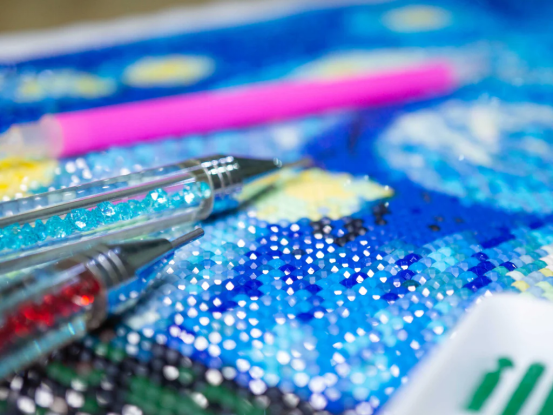
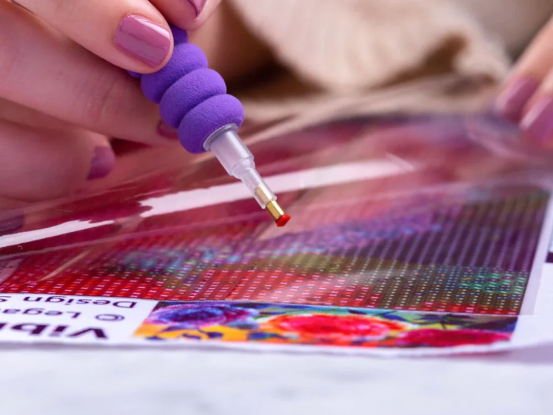
- Diamond painting pen/tweezers/tray: Ensures precise diamond arrangement and easy operation. You can choose tweezers or a diamond painting pen according to your personal preference.
2. Preprocessing
- Wipe the instrument with a clean, soft cloth or alcohol to remove dust and grease.
- A layer of clear protective varnish can be sprayed on to enhance the adhesion of the diamonds while preventing damage to the lacquer.
Recommendation: Practice diamond laying on scrap wood or old instrument bodies first to familiarize yourself with the process. This will make it easier to do on a real instrument and reduce mistakes.
IV. Diamond painting DIY Process Explained
1. Design and Planning
- Draw a draft: Draw the overall pattern on paper, first planning the large color blocks, and then designing the details.
- Color matching: You can refer to personal preferences or the original color of the instrument to avoid colors that are too jarring.
- Zoning plan: Large areas of color blocks are laid first, and small diamonds are used for complex details to ensure overall harmony.
2. Partitioning operations
- Start by laying down the tiling in the center of the instrument or the main color block, and gradually expand to the edge areas.
- Avoid covering the bridge, soundhole, string holes, or tuning knobs.
3. Rhinestone application techniques
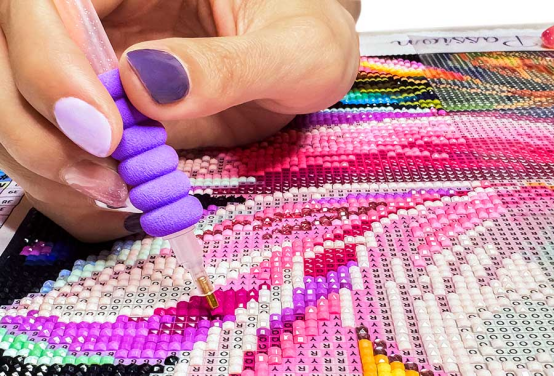
- Use tweezers or a diamond pen to precisely locate the diamond.
- For complex details, you can first lay out the main outline and then fill in the background color.
- If a diamond falls out or its position deviates, you can make a gentle adjustment. A small movement of the diamond will not affect the overall effect.
Tip: Your hand may get tired during the process; take a few minutes’ rest before continuing. Diamonds falling is a common accident; don’t panic, just adjust them gently. With patience, you’ll experience the joy and sense of accomplishment of creation.
V. Guitar vs. Ukulele Diamond Painting Decoration Techniques
Guitar decorations
- Large-area design: Guitars are large, allowing for full coverage or large-area color block designs.
- Partial embellishment: The back or head of the instrument can be decorated to enhance the visual focus.
- Weight considerations: Too many diamonds will increase the weight, affecting the feel and playing comfort. It is advisable to retain some blank areas on the instrument body.
- Playing protection: Avoid attaching diamonds near the bridge and soundholes as much as possible to avoid affecting the tone.
Ukulele decorations
- Small and exquisite: suitable for gradient color blocks or small pattern decorations.
- Adding a touch of fun to the details: Small patterns, such as musical notes, hearts, or cartoon designs, can be added to the headstock or bridge area to make the overall design more lively.
- Creative extension: Wavy or streamlined designs can be added along the sides of the instrument to create a dynamic effect.
- Portability: Ukuleles are small in size, so the diamonds only need to be moderately covered, not fully covered, to maintain a light feel.
VI. Protection and Maintenance
- Apply protective varnish: Keeps the diamonds secure, prevents them from falling, and enhances durability.
- Avoid friction: When carrying your instrument, use a dedicated instrument bag or instrument case to cover the instrument.
- Regular checks: Regularly check if the diamonds are loose, and reinforce them with transparent adhesive if necessary.
- Daily cleaning: Gently wipe the body of the instrument with a soft cloth, avoiding contact between water or chemical cleaners and the diamond surface.
With proper maintenance, your diamond painting instrument will not only look beautiful, but also maintain its playing performance for a long time.
VII. Creative Cases and Inspiration Showcase
In online communities and forums, DIY enthusiasts have shared many examples of diamond painting musical instrument modifications:
- Gradient color design for guitars: The color blocks gradually transition from the headstock to the body, shimmering with dynamic brilliance under stage lights.
- Ukulele note decoration: Small and cute, covered with note diamonds, making the instrument sparkle and look beautiful when played.
- Abstract geometric collage: Combining geometric shapes with streamlined design, it has a strong visual impact and is suitable for modern home displays.
Tip: You can simulate the design on paper first, and then operate on the instrument body to reduce errors and waste.
8. FAQ
Q1: Will diamond painting affect the sound quality?
A1: As long as it does not cover the soundbox or the vibrating area of the strings, the sound quality will not be affected.
Q2: Will the diamond fall off?
A2: It may become slightly loose. You can reinforce it with transparent adhesive or spray protective paint to prevent it from falling off.
Q3: How to choose the color for the diamond painting?
A3: You can refer to the original color of the instrument or the overall style. For a black instrument body, you can use bright diamonds, and for a light-colored instrument body, you can choose a gradient color.
Q4: Is it difficult to operate?
A4: Beginners can practice on scrap wood before playing the instrument. It will be easier once you get the rhythm.
Q5: Can I remove the diamond myself?
A5: Yes, but you need to use a suitable tool to remove it gently to avoid damaging the lacquer.
IX. Conclusion
Diamond painting, or decorating musical instruments, is a creative and rewarding DIY project. It allows your guitar or ukulele to shine with personality, while also being both artistic and musical.
Key points:
- Design the overall effect in advance, and plan the color blocks and patterns.
- Choose the appropriate color and size for your diamond painting to ensure visual appeal.
- Avoid covering key performance areas to ensure sound quality.
- Take protective measures to ensure the diamond remains secure for a long time.
Whether you’re a music lover or a craft enthusiast, you can transform musical instruments through diamond painting to create unique and dazzling works of art. Every performance is not only a presentation of music, but also a visual feast.