The collectible value of diamond paintings: Can they become art investments?

When you carefully examine an exquisite diamond painting, the sparkling diamonds shimmer under the light, arranged neatly, each seemingly carrying a subtle emotion. You might unconsciously wonder: is it just a handmade hobby item? Or can it also become a work of art worthy of collection or even investment? This article will take you through a deeper understanding of the potential collectible value of diamond paintings from three dimensions: market size, judgment of collectible value, and risks and opportunities, while also providing some practical advice.
I. Current Status of the Diamond Painting Market: Opportunities and Limitations
Market growth signals
In recent years, the diamond painting market has experienced rapid growth. According to industry reports, the global diamond art painting market was approximately US$143.5 million in 2022 and is projected to grow to US$208.8 million by 2030, representing a compound annual growth rate (CAGR) of approximately 4.8%. Another report indicates that the diamond painting kit market is even projected to grow from US$653 million in 2024 to US$1,182 million in 2032, with an annual growth rate of approximately 7.6%. These figures demonstrate that as a form of craft, decoration, and DIY hobby, diamond painting is seeing a continuous increase in participation and market demand.
Investment value remains limited
However, despite the expanding market, cases of completed works being collected or invested in as art are relatively rare.
In enthusiast forums, some people have also frankly stated:
“Honestly I don’t think so… The only situation in which I can imagine someone paying for it is if they like the look of a diamond painting and they want a specific piece of artwork…”
In other words, even if someone buys a completed work, it’s more because they like its visual effects or emotional value rather than for pure investment purposes.
summary
investment.”Diamond painting’s strengths lie in market growth, the popularity of DIY culture, and a strong trend towards customization; the limitations are that its collectible/investment attributes are still in their infancy, liquidity is low, and the valuation mechanism is not yet perfect. Therefore, if you are considering investing, you must clearly distinguish between “collecting for hobby” and “art investment”.
II. Key Indicators for Evaluating the Collection/Investment Value of Diamond Paintings
If you wish to add one or more diamond paintings to your collection, you can consider the following aspects:
1. Brand and Limited Edition
Similar to traditional art, a design by a renowned artist combined with limited editions significantly enhances a piece’s collectible value. If a work is authorized by a well-known designer, uses high-end materials, and has a limited release, its scarcity makes it closer to an artwork than just a handicraft.
2. Manufacturing quality and craftsmanship details
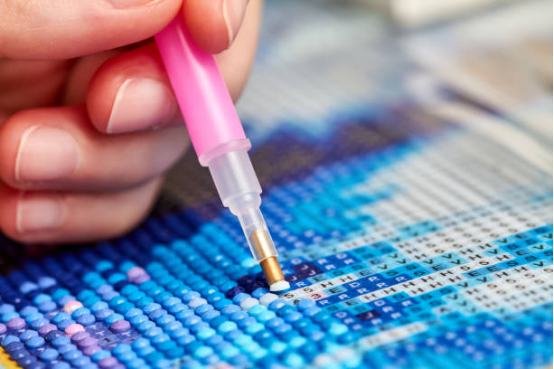
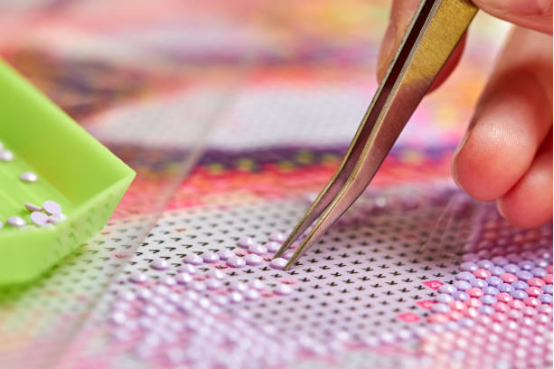
High-quality diamond particles, precise fit, good sealing, and framing all affect collectible value.
“A flawless diamond painting, with straight lines and no missing drills, is likely to find a buyer.”
It is evident that works with excellent craftsmanship and high durability have greater potential for collection.
3. Uniqueness, storytelling, and display value
,Excellent collectibles often come with a story: design inspiration, background, limited edition number, artist’s signature, etc. A diamond painting hanging on the wall, shimmering in the light , has a significantly greater visual impact than ordinary decorative items, adding unique value to a collection.
4. Market liquidity and secondary trading
Investment value also depends on “ease of resale or appreciation.” Currently, the secondary market for diamond paintings is still immature, with few buyers and highly volatile prices. For example, one blog post points out:
“On Etsy or Craft Marketplace, the price of a finished piece can vary greatly, sometimes even less than the price of the original kit.”
Therefore, if you plan to invest, you must consider the risks of restricted liquidity and potential losses.
5. Collection Costs and Maintenance Requirements
Framing, glass protection, dust and moisture protection, and preventing diamonds from falling are key to ensuring the long-term value of a piece. Poorly applied diamonds, inferior materials, or lack of protection will directly impact its collectible value.
III. Opportunities and Risks: How to Rationally View the Investment Potential of Diamond Painting
Investment opportunities
- .Favorable trends: The DIY culture and handmade craze, along with the continued growth in demand for customized gifts, provide a basic market for diamond painting .
- collaborations,Potential niche markets: high-end customization, limited editions, artist collaborations or themed co-branded editions, which may create “collectible + investment” products.
- ,Emotional and collectible value: If you personally enjoy diamond paintings , hanging them up for a long time and taking good care of them is also a reward beyond pure monetary value.
Investment risks
- The market is still immature: it lacks standardized valuations, authoritative auctions, and publicly available transaction records.
- Low liquidity: Even if the artwork is exquisite, it is not easy to find a buyer willing to pay a premium.
- High maintenance costs: Improper maintenance, such as framing, glassing, dust prevention, and moisture prevention, can affect the value of the artwork.
- Lack of artist premium mechanism: Diamond paintings are mostly handicrafts, and their “artistic value” is not as recognized as that of traditional artworks.
Practical suggestions
- Choose the premium version: Prioritize limited editions, signed pieces, works made of high-quality materials, and those with excellent framing.
- Preserve evidence: Take photos of the production process and the finished product, and keep the kit invoice and serial number.
- Proper storage environment: Avoid moisture and direct sunlight, ensure the diamond is secure, and check it regularly.
- Long-term thinking: Don’t expect to double your returns in the short term; treat it as a medium- to long-term collectible.
- Pay attention to market dynamics: observe the transaction situation of similar works and understand the needs of potential buyers.
IV. Conclusion: It has collectible value, but its investment potential is limited.
In general, diamond paintings have some collectible value, but they are more suitable for people who love handicrafts and value aesthetics and emotions rather than those who simply seek asset appreciation. They are more artistic and visually striking than ordinary decorative items, but compared to traditional art, their investment foundation remains weak.
The best approach is to choose a diamond painting that you love and are willing to appreciate and preserve for a long time. It can become a shining work of art on your wall, and its collectible value may also be recognized by more people in the future. Enjoying the process of creation and display is the true charm of diamond painting.