Diamond Painting Tips and Tricks: Using Baking Paper Instead of Masking Film

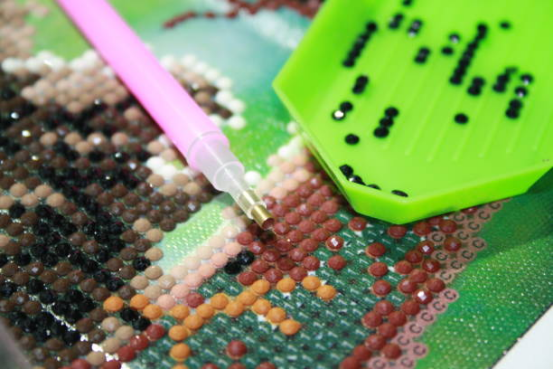
—usingDiamond painting , a creative handicraft activity that combines cross-stitch and mosaic art, has captured the hearts of more and more handicraft enthusiasts in recent years. During the production process, a small detail can often affect the entire experience—the masking film (also called a protective film). Its function is to cover the sticky part of the canvas to prevent dust or impurities from falling on it. Don’t underestimate it. However, traditional masking film can sometimes be a headache: it’s not sticky enough, it’s easy to tear, or it’s particularly troublesome to operate. Therefore, many diamond painting enthusiasts have begun to try a little trick – using baking paper instead of masking film. This method is actually simple and practical, so let’s talk about it today.
1. Why choose baking paper instead of masking film?
To be honest, baking paper has several very attractive advantages as an alternative.
1. More convenient operation
Baking paper is flexible and not easy to tear, which means that you don’t have to worry about the protective film suddenly cracking or sticking smoothly during the diamond application process. Especially for large-area works, the operation will feel smoother.
2. High transparency, easy to see the pattern
Compared to some ordinary protective films, baking paper has better light transmittance. This means that when placing diamonds, you don’t have to guess where to place them, and you can align the pattern more accurately, reducing errors.
3. Excellent protection effect
.Baking paper itself has a certain degree of moisture resistance and can effectively prevent dust. It can provide a relatively safe protective layer for sticky canvas and is especially suitable for diamond painting works that need to be completed in stages .
2. How to use baking paper instead of masking film
In fact, this process is not complicated and can be completed with just some tips.
1. Materials and Tools Preparation
First prepare baking paper that fits the size of the canvas. Of course, you will also need scissors and a ruler. It is best to prepare transparent tape for easy fixation.
2. Cut baking paper
Use a ruler to measure and cut the baking paper according to the size of the canvas. Tip: Leave a little extra space when cutting so that the cover is tighter and the possibility of air entering and causing wrinkles is reduced.
3. Cover with baking paper
Gently place the baking paper onto the sticky area of the canvas, taking care to avoid any bubbles or wrinkles that could interfere with subsequent work.
4. Fix the baking paper
Secure the edges of the baking paper with clear tape or other non-marking tape. This step is crucial, especially for intricate or large projects.
5. Start creating
Start drilling from the covered area. When one area is completed, slowly peel off the baking paper and continue with other parts. This can effectively prevent dust from falling into the completed part.
3. Tips for using baking paper
Although baking paper is very convenient, there are still some small details that need to be paid attention to in actual operation.
- resistance soChoose the right baking paper: It is best to choose baking paper with high transparency and strong tear resistance, so as not to affect the viewing of patterns and operations.
- Avoid coated baking paper: Coated paper may affect the adhesion of diamonds, and uncoated types are recommended.
- Replace in time: Long-term use will cause the baking paper to lose transparency or weaken its stickiness. It is recommended to replace it every once in a while.
- Keep the canvas clean: Avoid rubbing the diamonds when using baking paper to reduce dust. Keeping the canvas clean can make the work last longer.
4. Other alternative materials recommended
In addition to baking paper, there are some other materials that can replace traditional masking film. Here are a few common options:
- Transparent plastic film: high transparency, strong tear resistance, and easy to operate.
- .Silicone pad: good moisture-proof effect, especially suitable for long-term storage of diamond painting .
- Non-woven fabric: good air permeability, can avoid moisture and dust.
Each alternative has its own advantages and disadvantages. You can choose the most appropriate one based on the size of your work and production habits.
5. Why is this tip worth trying?
Sometimes, a small change can make a world of difference in your diamond painting experience. Baking paper is not only cost-effective but also enhances the creative process, allowing you to focus on the beauty of placing diamonds rather than the hassles of masking film. More importantly, this method is simple to learn and requires virtually no additional cost, making it easy for nearly every household to try.
VI. Conclusion
these “diamondDiamond painting is a therapeutic craft, and the delicate creative process itself is a form of relaxation and meditation. Using some tips, such as using baking paper instead of masking film, not only improves the smoothness of the process but also enhances the texture and durability of your work. I hope this ” diamond painting tips and tricks” will provide some practical references for your creative endeavors, allowing you to achieve greater ease and enjoyment in your DIY journey.
Remember, small innovations can often bring unexpected surprises. Next time, you might as well try using baking paper instead of masking film to make your diamond painting journey easier and more interesting.